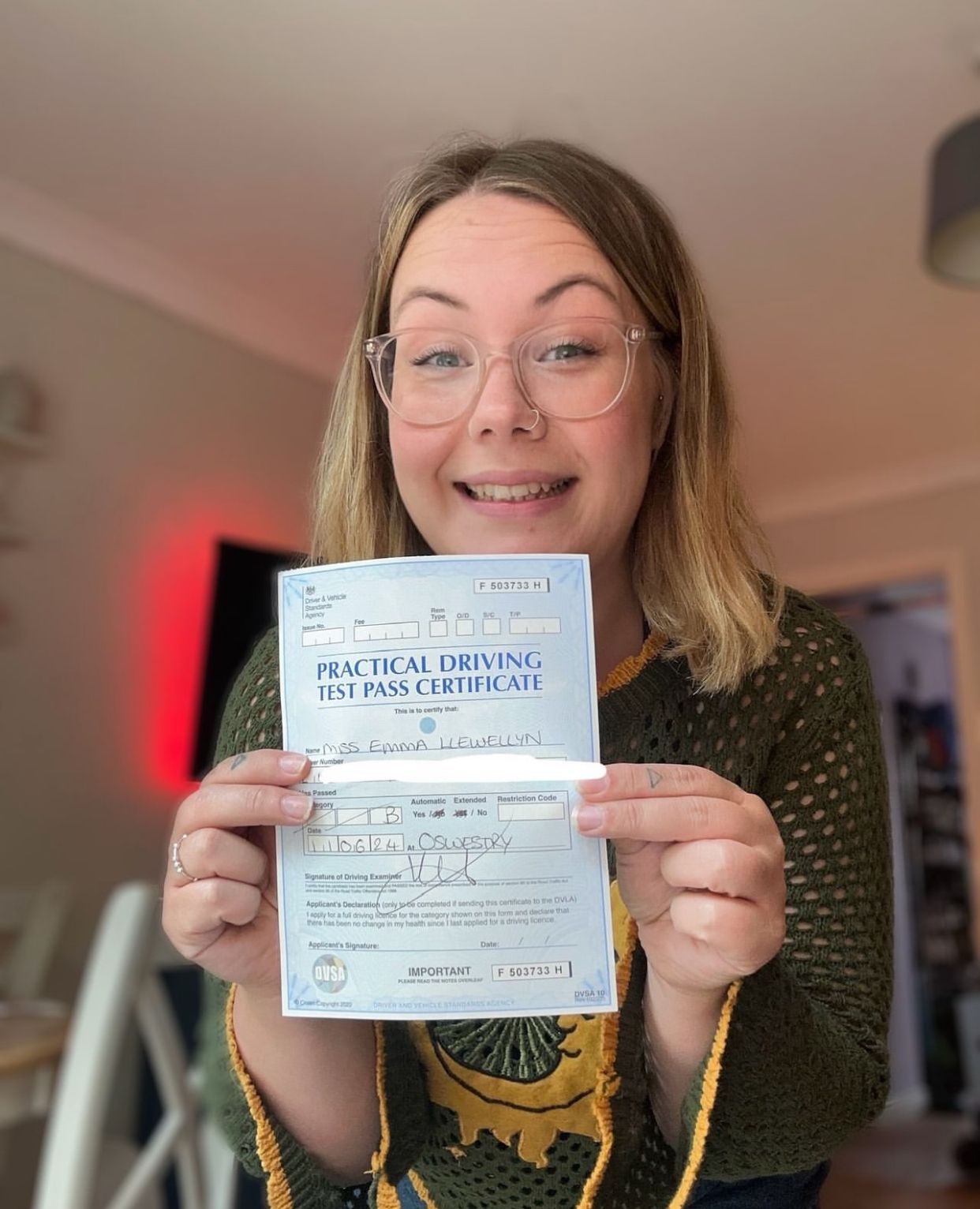
Your Complete Guide to the UK Driving Licence
Getting a UK driving licence represents a considerable milestone for countless people each year, whether they are young people embarking on their very first venture into independent driving, experienced drivers relocating from abroad, or seasoned drivers looking to update their existing documents. The UK driving licence system operates under the oversight of the Driver and Vehicle Licensing Agency (DVLA), a government body accountable for keeping the registers of drivers and lorries while making sure that all licence holders fulfill the required requirements of physical fitness and skills to drive securely on British roadways.
Understanding the complexities of the UK driving licence system can appear intimidating at first glance, with its different classifications, application treatments, and associated costs. This guide intends to demystify the procedure, offering you with all the vital details required to navigate the world of UK driving licences with confidence and clarity.
Comprehending the Types of UK Driving Licences
The UK issues a number of different types of driving licences, each created to cater to specific categories of automobiles and specific situations. The most typical type is the complete automobile driving licence, which authorises the holder to drive automobiles and cars weighing up to 3,500 kilograms with as much as 8 passenger seats. This licence represents the goal for a lot of learner drivers and requires passing both a theory test and a useful driving test.
For those interested in riding motorbikes, a different licence classification uses. Motorbike licences vary from Category A1, which covers bikes approximately 125cc with a power output not going beyond 11kW, to the full Category A licence, which permits the rider to operate any motorbike without restrictions. The path to a complete bike licence usually includes progressing through intermediate stages or finishing approved training courses.
Beyond cars and motorcycles, the UK driving licence system incorporates numerous other lorry categories, consisting of buses, trucks, farming machinery, and emergency situation cars. Each category requires specific tests, training, and medical exams to ensure that chauffeurs possess the needed skills and physical capabilities to run these potentially harmful cars safely.
The Application Process: From Learner to Qualified Driver
The journey towards obtaining a full UK driving licence follows a structured pathway created to progressively establish a driver's skills and understanding. The very first step involves obtaining a provisional driving licence, which licenses the holder to find out to drive under the guidance of an approved trainer or qualified driver. Applications can be sent online through the DVLA site or by finishing a D1 kind available at Post Office branches. Applicants must be at least 15 years and 9 months old to get a provisionary licence for automobiles, though they can not in fact drive on public roads until they reach 16.
Before taking to the road, every student driver need to pass the DVSA theory test, which assesses knowledge of the Highway Code, road security concepts, and threat perception. The theory test consists of 2 parts: a multiple-choice assessment covering subjects such as traffic indications, speed limits, and safe driving practices, and a threat perception test that assesses the prospect's ability to determine and respond to developing risks on the road. Preparation products, consisting of official practice tests, are commonly offered through the DVSA and authorized driving instructors.
Once the theory test has been successfully completed, the student can advance to practical driving lessons with an authorized driving trainer. The useful driving test examines the candidate's capability to operate the car safely in numerous traffic conditions, perform standard maneuvers, and demonstrate an understanding of vehicle safety checks. The test generally lasts between 40 minutes and an hour and includes an independent driving section where the prospect should follow instructions or traffic indications.
Licence Categories and Vehicle Permissions
The UK driving licence utilizes an advanced category system to define precisely which vehicles the holder is authorised to drive. Understanding these classifications is essential for making sure that you hold the right licence for your designated car usage.
| Category | Lorry Type | Minimum Age | Notes |
|---|---|---|---|
| B | Cars and trucks as much as 3,500 kg with up to 8 guests | 17 | Most typical category for basic chauffeurs |
| B Auto | Automatic automobiles only | 17 | Can not drive manual vehicles |
| A1 | Bikes as much as 125cc, 11kW | 16 | Intermediate bike classification |
| A | All bikes | 19 | Complete motorbike entitlement |
| C1 | Goods cars 3,500-7,500 kg | 18 | Requires medical checkup |
| C | Large products automobiles over 7,500 kg | 21 | Needs medical assessment |
| D1 | Minibuses with 9-16 guests | 21 | Not for hire or reward without extra training |
| D | Buses with over 8 travelers | 21 | Requires medical assessment |
It deserves noting that holding a licence for automatic automobiles does not immediately approve permission to drive manual transmission automobiles. Chauffeurs who pass their test in an automatic vehicle receive a licence stamped with a constraint code indicating that they can not operate manual lorries. Those wanting to drive both transmission types need to pass their dry run in a manual car.
Expenses, Validity, and Renewal Requirements
The financial elements of obtaining and preserving a UK driving licence include numerous elements, from preliminary application costs to renewal expenses and associated costs such as driving lessons and test fees. The current cost for a provisional driving licence application stands at ₤ 34 when applying online, while a photocard licence legitimate for 10 years costs ₤ 14 if restored at a driver licensing office. The theory test costs ₤ 23, and the useful driving test expenses ₤ 62 for weekday tests or ₤ 75 for weekend and evening visits.
A UK driving licence photcard remains valid until the holder reaches the age of 70, after which licences must be restored every 3 years at no charge, provided the driver continues to satisfy the medical and vision requirements required for safe driving. Chauffeurs over 70 are needed to state that they are in shape to drive and satisfy the minimum vision requirements at each renewal. Beyond age-based renewals, drivers should likewise upgrade their licence if their individual information alter, their health conditions impact their driving ability, or if their photocard reaches its ten-year expiration date.
Beyond the direct expenses of acquiring the licence itself, aspiring chauffeurs should budget plan for driving lessons, which usually cost between ₤ 25 and ₤ 40 per hour depending upon area and trainer experience. The average learner needs between 20 and 50 hours of professional instruction before passing their test, representing a substantial investment of both money and time.
Often Asked Questions
Can I drive in the UK with a foreign driving licence?
Visitors from specific countries can drive in the UK using their legitimate foreign driving licence for approximately 12 months. This applies to licence holders from EU member states, European Economic Area nations, and numerous designated countries such as Australia, Canada, Japan, New Zealand, South Africa, South Korea, Singapore, and the United States. Those from non-designated nations should pass the UK driving test to continue driving after 12 months or exchange their licence for a UK equivalent where bilateral agreements allow.
What medical conditions might prevent me from getting a driving licence?
Specific medical conditions can impact your ability to hold a UK driving licence, including epilepsy, serious sleep apnoea, unattended visual disabilities, certain heart disease, and conditions causing impaired consciousness or abrupt attacks of impairment. Nevertheless, numerous conditions do not instantly disqualify motorists if they are properly managed and satisfy the specific medical standards described by the DVLA. If you have a medical condition, you must state it on your licence application, and the DVLA will evaluate whether you are in shape to drive.
How do I change a lost, taken, or harmed driving licence?
If your licence has been lost, taken, or damaged, you can look for a replacement through the DVLA website or by finishing a D1 form. buy drivers license online existing cost for a replacement photocard licence is ₤ 20 when applying online or ₤ 21 at a Post Office. You will require to provide identification files and, if changing a taken licence, a criminal activity reference number from the police.
Do I require to bring my driving licence while driving?
Yes, you are lawfully required to bring your driving licence while driving and to produce it when requested by a cops officer. While the paper equivalent to the photocard licence was abolished in 2015, you need to still be able to offer your photocard licence and be prepared to validate your identity if needed. Lots of chauffeurs now use the DVLA's View Driving Licence service to access their licence info online.
The UK driving licence system represents a thorough framework developed to make sure that all motorists on British roadways have the needed knowledge, skills, and physical abilities to drive securely. Whether you are taking your initial steps toward mobility, moving to the UK from abroad, or just require to restore or update an existing licence, comprehending the processes and requirements included will assist you navigate the system effectively. While acquiring a full driving licence requires devotion, financial investment of time and resources, and effective completion of both theoretical and practical assessments, the liberty and self-reliance it brings make the journey undoubtedly rewarding for the millions who finish it each year.